 Everyday
  About Company
 Refund Policy
 Privacy Policy
 Terms And Conditions
 Support
 Open Ticket
 Contact Us
 Knowledgebase
 News
News
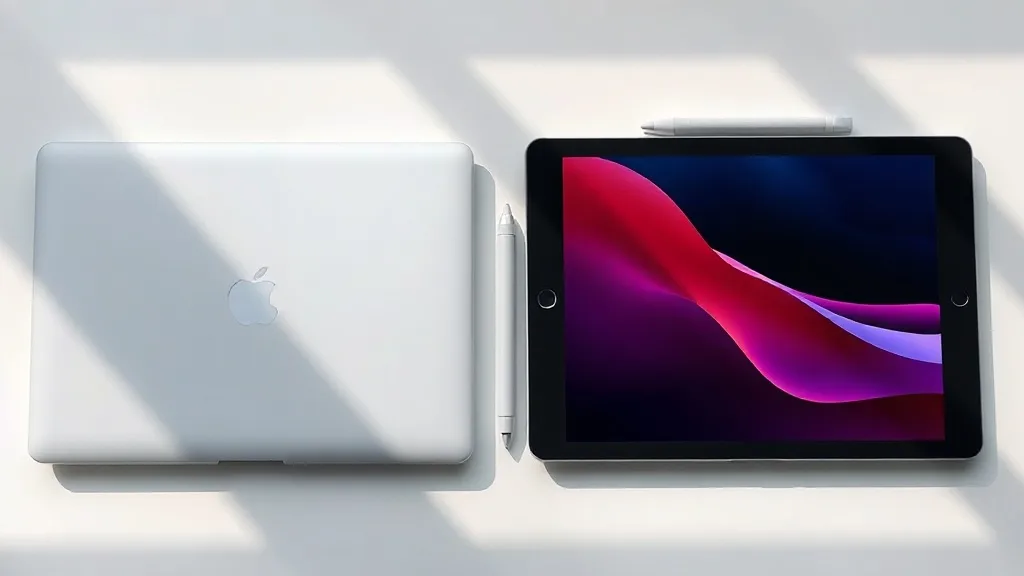
Laptop vs Tablet 2026: Which Is Better for Work, School & Entertainment?
Tablets have come a long way. The iPad, Samsung Galaxy Tab, and even budget Android tablets are faster, sharper, and more capable than ever. So the laptop vs tablet question is a fair one in 2026: do you still need a laptop, or can a tablet do everything?
The honest answer depends entirely on what you do. Tablets excel at content consumption — reading, streaming, casual browsing, and media. But when it comes to content creation, real productivity, and the kind of work that pays the bills, laptops still have a commanding lead.
This guide compares laptops and tablets across every category that matters: typing and productivity, multitasking, storage, software, price, durability, and portability. By the end, you'll know exactly which one fits your life.
Laptop vs Tablet at a Glance
| Category | Laptop | Tablet |
|---|---|---|
| Typing & productivity | Built-in keyboard, touchpad, shortcuts | Needs a keyboard case ($50–$350) |
| Multitasking | Multiple resizable windows | Basic 2-app split screen |
| Software | Full desktop apps (Office, QuickBooks, Photoshop) | Mobile app versions, often limited |
| Storage | 128–256GB SSD, upgradeable | 32–64GB, mostly fixed |
| Portability | 1.5–2.5 kg | 300–500 g |
| Starting price (ready to work) | From $179 (NXTCORE Lite F146-4105) | $250–$500+ before accessories |
Typing and Productivity: Laptops Win Decisively
If you type more than a few sentences a day, a laptop is the better tool. Period. Here's why:
- Built-in keyboard: Every laptop comes with a physical keyboard that's designed for extended typing. No extra purchases, no Bluetooth pairing, no balancing a separate keyboard on your lap
- Touchpad/mouse support: Precise cursor control for selecting text, navigating spreadsheets, and clicking small interface elements
- Keyboard shortcuts: Ctrl+C, Ctrl+V, Alt+Tab — the shortcuts that make experienced users fast are built into the laptop workflow
- Ergonomics: The laptop form factor — screen at eye level, keyboard at hand level — is fundamentally better for long work sessions than hunching over a flat tablet
Yes, you can buy a keyboard case for a tablet. But even the best iPad keyboard cases (which cost $150–$350 on their own) don't match the typing experience of a dedicated laptop keyboard. And once you add a keyboard case to a tablet, you've essentially built a worse, more expensive laptop.
Multitasking: Not Even Close
True multitasking — running multiple applications side by side, switching between them fluidly, and having everything accessible at once — is where laptops dominate.
On a Windows laptop, you can:
- Snap two or four windows side by side with a single shortcut
- Keep a browser, spreadsheet, email client, and video call all visible and running
- Drag and drop files between applications
- Use Alt+Tab to instantly switch between any open window
- Run background processes (file downloads, virus scans, updates) without affecting foreground work
Tablets offer basic split-screen (usually two apps), but the experience is limited. Dragging and dropping between apps is clunky or impossible on most tablets. Many apps don't support split-screen at all. And with a 10-11" screen, two side-by-side apps feel cramped.
Software Compatibility: The Deal-Breaker
This is the single biggest reason laptops remain essential for work and school in 2026. The software gap between tablets and laptops is still enormous:
- Microsoft Office: The desktop versions of Word, Excel, and PowerPoint on Windows have features that the tablet versions simply don't — advanced formatting, macros, pivot tables, mail merge, and full plugin support
- File management: Windows gives you a full file system (File Explorer) where you can organize, rename, move, and manage thousands of files across folders and drives. Tablet file management is sandboxed and limited
- Printers and peripherals: Plug in any USB printer, scanner, external monitor, webcam, or drawing tablet. Tablets require dongles and often don't support full peripheral functionality
- Specialized software: Accounting tools (QuickBooks), design software (Photoshop, Illustrator), development environments, tax preparation software — most are Windows-only or have severely limited tablet versions
- Web experience: Laptops run full desktop browsers. Some websites and web apps still don't work correctly on tablet browsers
If you're still deciding between operating systems, our guide to Chromebook vs Windows laptops in 2026 breaks down which platform runs the software you actually need.
Storage: Laptops Offer More for Less
Budget tablets typically come with 32-64GB of storage. Once you subtract the operating system and pre-installed apps, you're left with 20-45GB of usable space. That fills up fast with downloaded documents, photos, and apps.
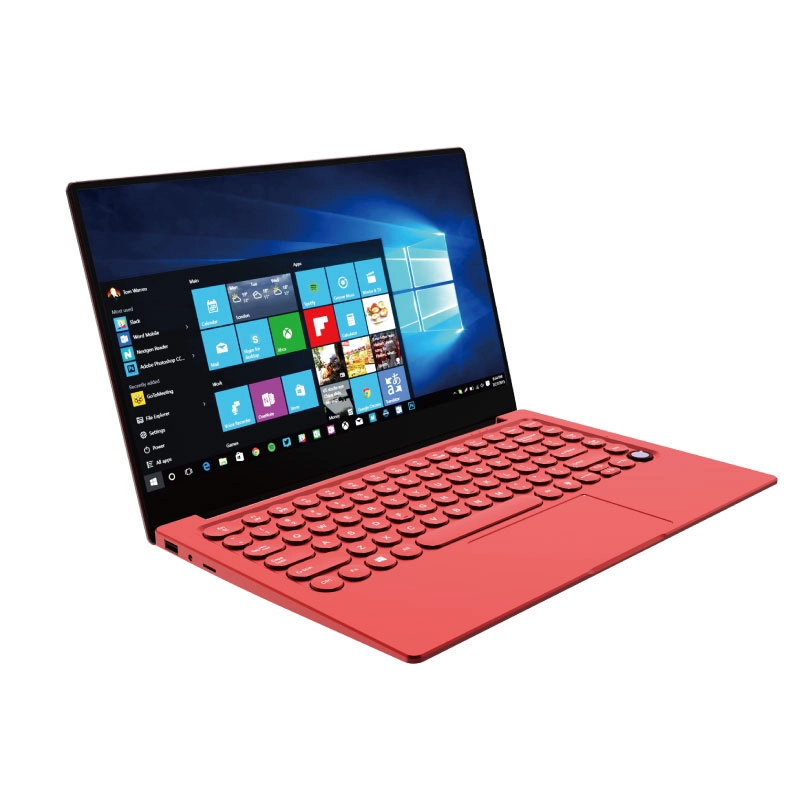
Budget laptops commonly offer 128-256GB of SSD storage — four to eight times more than a budget tablet. And many laptops allow you to upgrade storage later by swapping in a larger SSD. The NXTCORE Flex S140N ($329) and its everyday siblings ship with SSD storage that gives you plenty of room for files, documents, and applications.
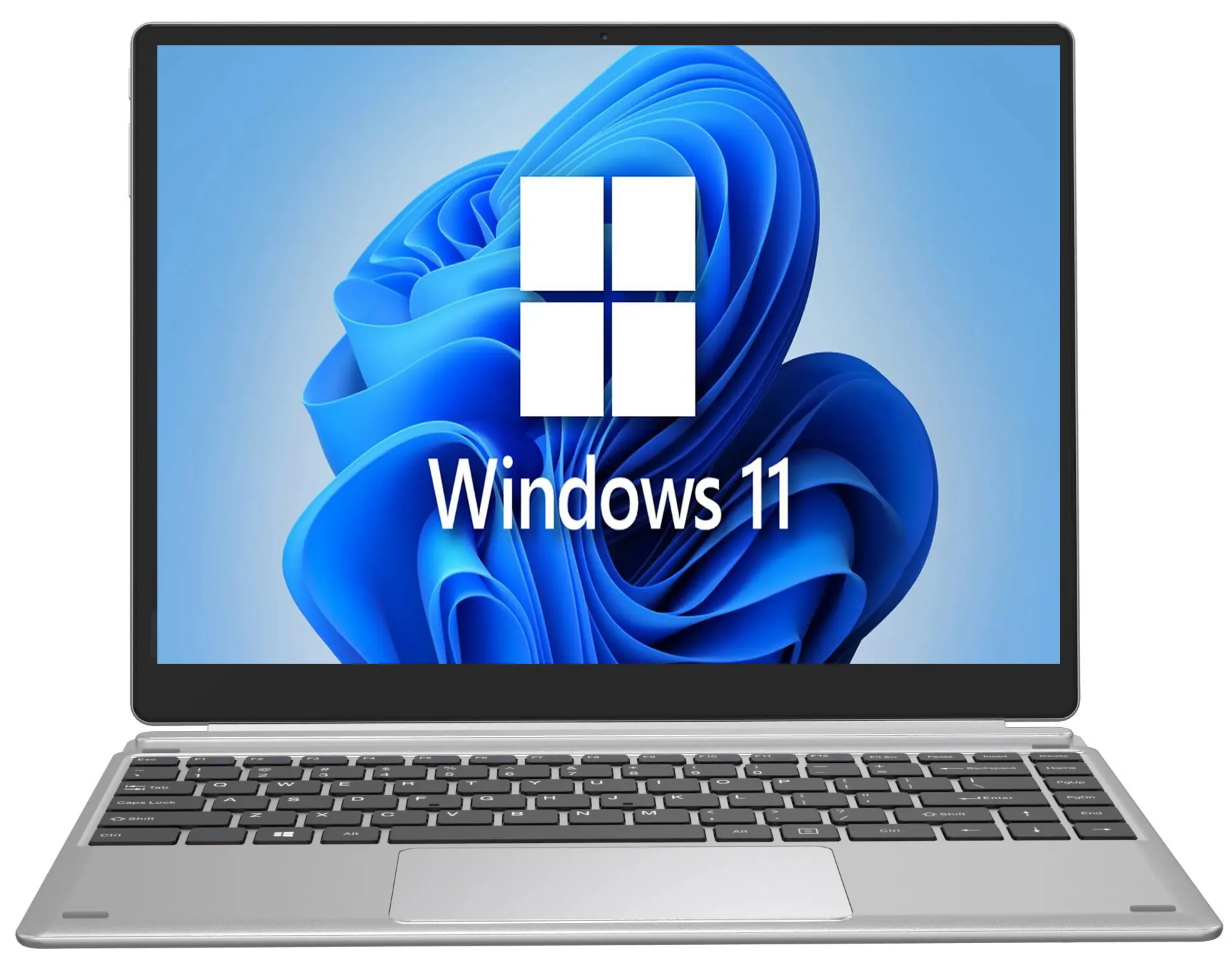
Laptops also make file management easier with USB ports for external drives, full SD card readers, and standard file systems that don't restrict where you can save or access files.
Price: The Hidden Cost of Tablets
At first glance, tablets seem cheaper. You can buy a basic Android tablet for $100-$150 or an entry-level iPad for $350. But the real cost includes everything you need to make a tablet work like a laptop:
- Tablet: $250-$500 (for a model worth using for productivity)
- Keyboard case: $50-$350 (Apple's Magic Keyboard costs as much as a budget laptop)
- Stylus/pen: $50-$130 (if you need handwriting or drawing)
- Storage upgrade: Cloud storage subscription ($3-$10/month) since built-in storage is limited
- Adapter/hub: $30-$80 for USB-C dongle to connect peripherals
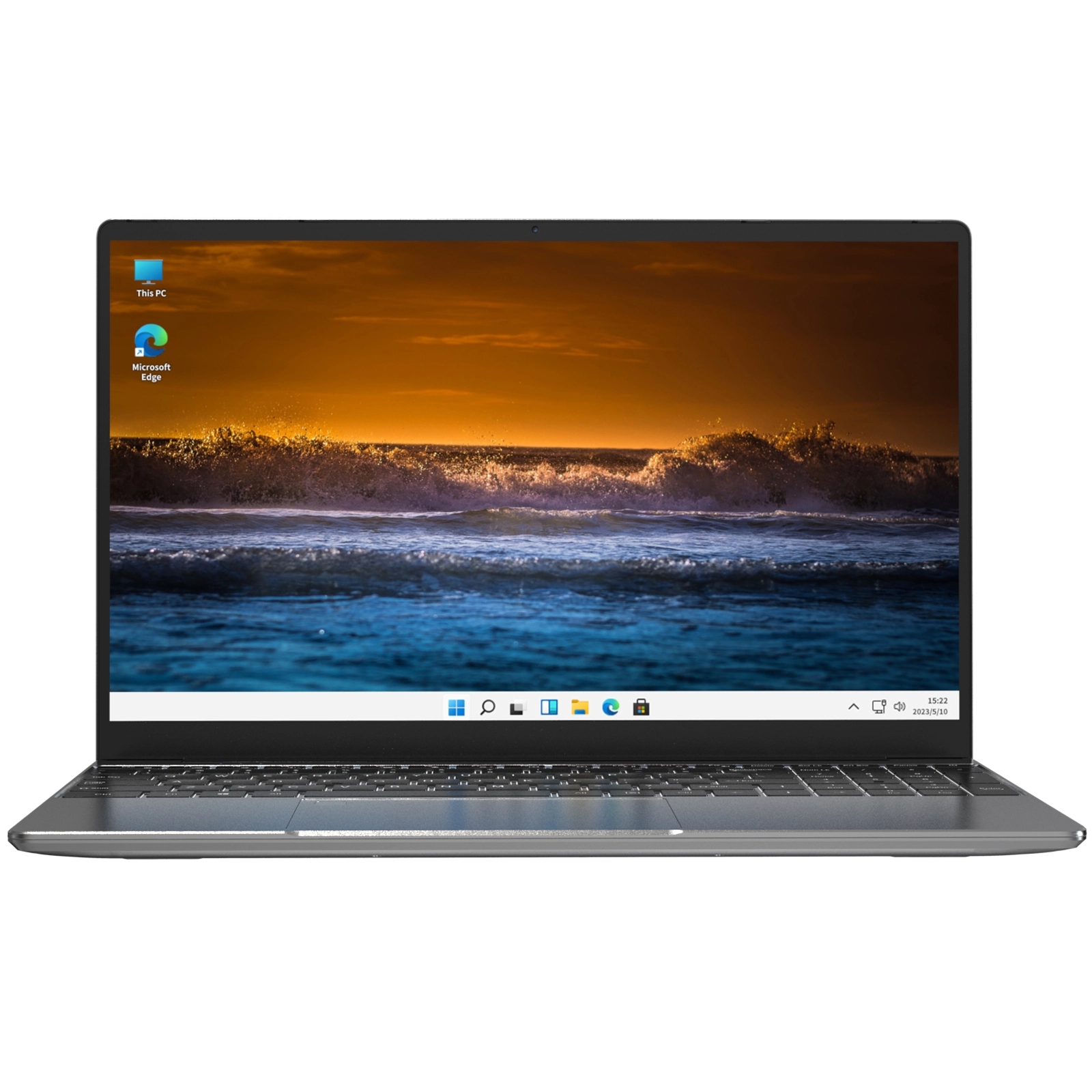
Add it up: a productivity-ready tablet setup costs $400-$1,000+. Meanwhile, a complete, ready-to-work laptop like the NXTCORE Lite F146-4105 starts at $179 USD with free shipping. The laptop comes with a keyboard, touchpad, multiple USB ports, and full Windows — no accessories required. NXTCORE's lineup spans $179 to $899, averaging about $396, so there's a fit for every budget.
Portability: Tablets Win Here
To be fair, tablets do have genuine advantages in portability:
- Weight: Most tablets weigh 300-500 grams compared to 1.5-2.5 kg for laptops
- Size: A 10-11" tablet slips into any bag, purse, or backpack easily
- Battery life: Tablets often last 10-12 hours since they run lighter operating systems
- Instant-on: Tablets wake from sleep instantly — no boot time at all
- Touchscreen-first: For reading, scrolling social media, and watching videos in bed, the tablet form factor is more natural
If your primary use case is reading e-books, watching Netflix on a plane, or browsing recipes in the kitchen, a tablet is the better form factor. It's designed for handheld use in a way laptops aren't.
Durability: Which Survives Real Life?
Tablets have one big vulnerability: the screen is always exposed. Drop a tablet face-down and you're likely looking at a cracked screen and a $100+ repair bill (or half the cost of a new device).
Laptops protect the screen by folding it closed. When a laptop is in your bag, the screen is sandwiched between the keyboard and the lid — two layers of protection that tablets don't have. This makes laptops inherently more durable for daily transport, especially for students throwing devices into backpacks.
The Best Choice by Use Case
Choose a Laptop If:
- You write documents, papers, emails, or reports regularly
- You use spreadsheets or any Office-based workflow
- You need to install desktop software (not just apps)
- You attend video calls for work or school
- You need reliable printing and peripheral support
- You want one device that does everything
- You're on a budget and need maximum value
Choose a Tablet If:
- You mainly consume content (reading, streaming, social media)
- You already have a laptop or desktop for real work
- You need a device for young children (more intuitive touchscreen interface)
- Portability is your number one priority above all else
- You specifically want a device for digital drawing with a stylus
For Work and School, Laptops Are Still the Answer
Tablets are great consumption devices. They're fantastic for watching shows, reading articles, playing mobile games, and browsing social media. But when it comes to the tasks that matter — writing, working, studying, building — laptops deliver a fundamentally better experience.
And the price argument for tablets doesn't hold up anymore. NXTCORE's Everyday Laptops start at $179 USD with free shipping to the US and Canada. For less than the cost of a basic iPad (without a keyboard), you get a full Windows laptop with a physical keyboard, real software compatibility, generous storage, and ports for all your peripherals.
If you need one device that handles everything life throws at it — school assignments, work projects, video calls, personal browsing — a laptop is the smarter buy. Not sure how much power you need first? See our guides to how much RAM you actually need and laptop specs explained for beginners, then explore our Everyday Laptops and Performance Laptops to find the right one for your budget.
Frequently Asked Questions
Is a laptop or a tablet better for students in 2026?
For most students, a laptop is the better choice because it handles document writing, spreadsheets, video calls, and full desktop software that schools require. A budget model like the NXTCORE Flex S140N ($329) covers coursework without the extra cost of keyboard cases and adapters a tablet needs.
Can a tablet fully replace a laptop for work?
Only for light, consumption-heavy roles. Tablets still lack full desktop Office features, robust multitasking, standard file management, and easy peripheral support. If your job involves real typing, spreadsheets, or specialized software, a laptop remains the more capable and cost-effective tool.
Are budget laptops cheaper than tablets?
Often, yes. Once you add a keyboard case, stylus, storage, and adapters, a productivity-ready tablet can cost $400–$1,000+. NXTCORE laptops start at $179 and include a keyboard, ports, and full Windows out of the box, so there are no hidden accessory costs.
Which is more durable, a laptop or a tablet?
Laptops are generally more durable for daily transport because the folding lid protects the screen. A tablet's screen is always exposed, making face-down drops a common and costly repair, particularly for students carrying devices in backpacks.